
فارسی|Fa
فارسی|Fa

Hello! Let’s grab a glass of milk together and talk about one of the most fascinating foods in the world. Milk — this simple yet […]

Strawberry Verrine: A Delicious Layered Dessert Strawberry verrine is an appealing combination of panna cotta, strawberry jelly, strawberry cream, and crispy sablé dough. With its […]
ادامه مطلب

Berry Chia Pudding — A Healthy and Delicious Dessert with a Fresh Taste If you’re looking for a healthy, tasty, and nourishing dessert that works […]
ادامه مطلب

Sticky Toffee Banana Pudding — A Warm and Irresistible Dessert for Sweet Moments Sticky toffee banana pudding is an exciting combination of ripe banana flavor, […]
ادامه مطلب

St. Mor Sundae — A Delicious Mix of Biscuit, Marshmallow, and Ice Cream If you’re looking for a tasty and unique dessert that brings together crunchy, […]
ادامه مطلب
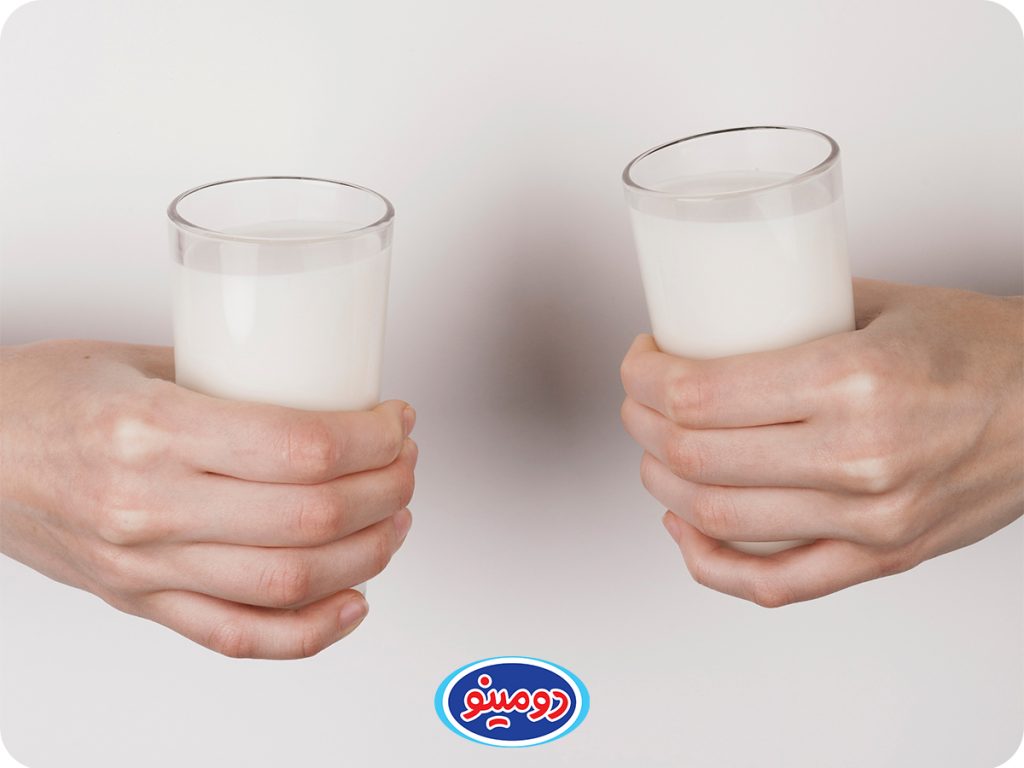
Hello! Let’s grab a glass of milk together and talk about one of the most fascinating foods in the world. Milk — this simple yet amazing drink — has been part of our tables from childhood until now. Whether it’s with honey and cereal at breakfast, or a warm cup at night to help us relax before sleep, it has always held a special place in our hearts.
But when it comes to choosing the right type, the big question always pops up: “Is whole milk better, or low‑fat milk?” Today, we’re going to answer this question and learn a bunch of useful things about these two types of milk.
Milk is a natural, incredibly nutritious superfood. This delicious drink is packed with nutrients like:
These nutrients are essential for stronger bones, better muscle growth, a stronger immune system, and many other benefits.
But despite looking simple, milk comes in whole‑fat and low‑fat versions — and the differences between them matter, depending on what your body needs.

Whole milk is the natural form of milk in which the original fat content remains untouched. It contains about 3.25% fat, giving it a thicker texture and a creamier taste. So why should we drink whole milk?
Rich, appealing taste: If you love the sweet, creamy flavor of milk, whole milk is your match. A great source of energy: For people with high physical activity, the fats in whole milk provide excellent energy. Helps absorb vitamins: Fat improves the absorption of fat‑soluble vitamins like vitamin D. Contains omega‑3: A fatty acid that’s great for the heart, brain, and skin.
Higher fat and calories: Naturally, whole milk has more fat and calories than low‑fat milk, so it may not be ideal for those on a weight‑loss diet.
Low‑fat milk is produced by reducing the amount of fat, usually containing between 1% and 2% fat.
Fewer calories: It has fewer calories than whole milk. Great for diets: Ideal for weight control or lowering blood fat. Still nutritious: Despite having less fat, it remains rich in protein and calcium.
Less creamy taste: It may not have the rich, creamy feel of whole milk. Less filling: Fat helps with satiety, which is lower in low‑fat milk.
| Feature | Whole Milk | Low‑Fat Milk |
|---|---|---|
| Fat content | About 3.25% | 1% to 2% |
| Calories | Around 150 calories | Around 100 calories |
| Taste | Creamy and rich | Lighter and milder |
| Best for | Children, active individuals | People on weight‑loss diets |
| Nutrients | Rich in vitamin D and omega‑3 | High in calcium and protein |
Choosing between whole milk and low‑fat milk depends on you and your body’s needs. If you want a richer taste and more energy, whole milk is a great choice. But if your goal is weight loss or controlling blood fat, definitely give low‑fat milk a try.
1– Is low‑fat milk suitable for children? Yes, it’s a good option for healthy nutrition in children.
2– Does whole milk cause weight gain? No, not if it’s consumed in moderation.
3– Does whole milk have more calcium than low‑fat milk? They contain almost the same amount.
4– Who is whole milk good for? Children under 2 years old, athletes, and underweight individuals.
5– Can whole milk be consumed during a weight‑loss diet? Yes, but the amount should be controlled.
We hope this information helps you make the best choice. If you have any questions, feel free to ask right here.

