- Biscuit Cake
- Calippo
- Cone
- Cup
- Family Size
- Popsicle
- Premium
Ice Cream
- Drinkable
- Panna Cotta
- Pudding
Dessert



Strawberry Verrine: A Delicious Layered Dessert Strawberry verrine is an appealing combination of panna cotta, strawberry jelly, strawberry cream, and crispy sablé dough. With its […]
Read More

Berry Chia Pudding — A Healthy and Delicious Dessert with a Fresh Taste If you’re looking for a healthy, tasty, and nourishing dessert that works […]
Read More

Sticky Toffee Banana Pudding — A Warm and Irresistible Dessert for Sweet Moments Sticky toffee banana pudding is an exciting combination of ripe banana flavor, […]
Read More

St. Mor Sundae — A Delicious Mix of Biscuit, Marshmallow, and Ice Cream If you’re looking for a tasty and unique dessert that brings together crunchy, […]
Read More
Recovery after exercise is one of the most important parts of any athlete’s routine. After intense workouts, the body needs to rebuild and replenish nutrients so it can perform at its best. Milk — with its natural combination of nutrients like protein, carbohydrates, and electrolytes — is one of the best choices for workout recovery. Let’s take a look at why milk is such a suitable and effective option.
When you exercise, your body uses a lot of energy, loses fluids, and your muscles may experience strain or micro‑damage. Proper post‑workout nutrition helps you:
The right nutrition can reduce fatigue, ease muscle soreness, and prepare you for your next training session.
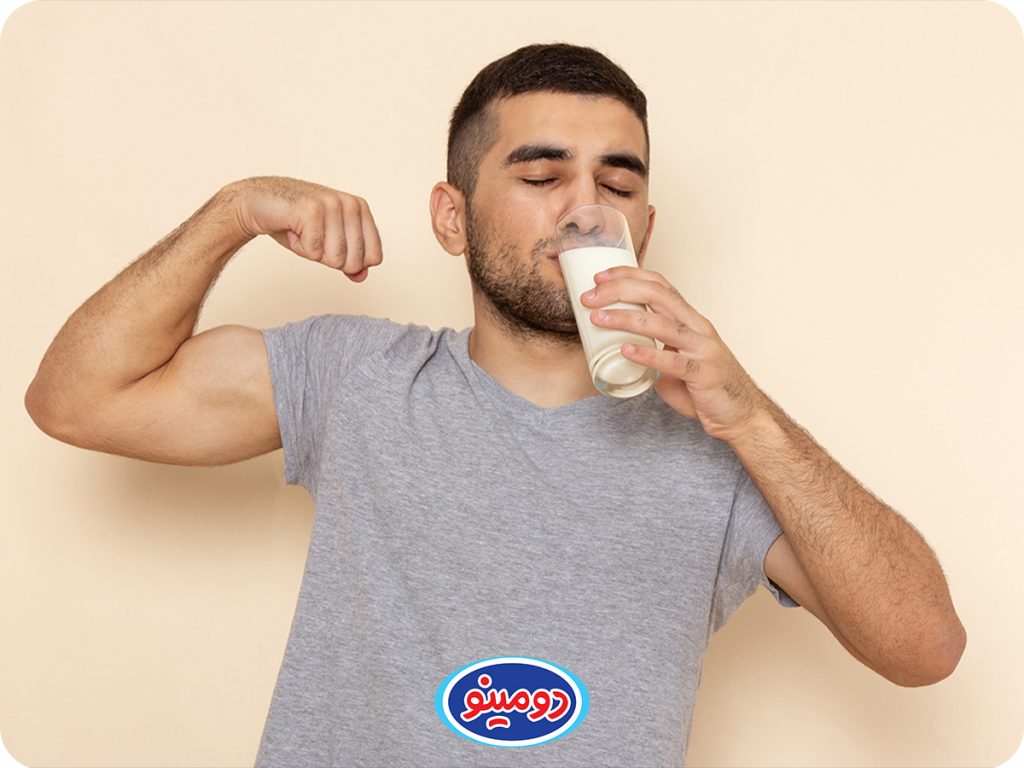
Milk contains a combination of essential nutrients that support the body’s recovery process. These qualities make it a complete and effective post‑workout drink:
Read this too: How to Make Meshkofi Dessert
Both options are great for recovery, but the best choice depends on your workout type and your body’s needs:

Many studies have shown that milk can outperform regular drinks when it comes to recovery:
Milk can be beneficial for a wide range of sports and workouts:
Milk is a healthy, nutrient‑rich drink that benefits most people. However, if you’re lactose‑intolerant or unable to consume milk, it’s better to choose lactose‑free products or alternative beverages. And before making major changes to your diet, it’s always best to consult a specialist.
1. Why is milk a good drink for workout recovery? Milk contains a complete combination of protein, carbohydrates, and electrolytes that help rebuild muscles, restore energy, and replace lost fluids. These qualities make milk one of the best options for post‑workout recovery.
2. Is chocolate milk better for athletes than plain milk? Chocolate milk, because it contains more carbohydrates, is a better option for heavy or long‑duration workouts. It can replenish the body’s energy stores more quickly. But if your activity is lighter or you want to avoid added sugar, plain milk will meet your needs just fine.
3. How much milk should I drink after exercising? The right amount depends on the type of workout, your weight, and your personal goals. Generally, 250 to 500 ml of milk can meet the body’s needs. Still, it’s best to consult a nutritionist to determine the exact amount for you.
4. Does milk help increase muscle strength? Yes. Milk contains complete proteins like casein and whey, which support muscle repair and growth.
5. Can milk replace sports drinks? Milk can be a natural and healthy recovery option. It contains many nutrients that are beneficial for athletes. However, sports drinks may still be useful in certain situations, such as very long or intense workouts.
6. Is milk suitable for a low‑calorie diet? If you’re trying to lose weight, milk can be a good choice because it’s nutrient‑dense and helps you feel full. But it’s better to choose low‑fat plain milk to reduce calorie intake.
7. Is milk suitable for endurance training? Yes. Milk can be a good option for endurance activities like running or swimming. It helps restore energy stores and replace lost fluids.
8. Is drinking milk before bed beneficial for athletes? Yes. Drinking milk before sleep provides casein protein, which digests slowly and supports muscle repair throughout the night — especially helpful for athletes doing resistance training.
9. Does milk help improve endurance? Milk can improve endurance by supplying energy, protein, and electrolytes. But for long‑duration endurance sports, your nutrition plan should also include other sources of carbohydrates.
10. Can milk reduce muscle soreness? The protein and amino acids in milk help repair muscles and may reduce soreness. However, the intensity and duration of soreness depend on many factors, so milk alone won’t always solve the problem.
Milk is a natural, healthy, and affordable choice for athletes. It helps restore energy, build muscle, and maintain hydration — making your recovery better than ever.
So next time you finish a workout, try a glass of milk or Domino chocolate milk and enjoy the difference it makes in your body! 🥛💪